
Attending a memorial can be a delicate situation, filled with emotions and unspoken expectations. In Pueblo, where community ties run deep, understanding funeral service etiquette is essential. This guide will provide you with comforting tips and insights to navigate these moments with grace and compassion.
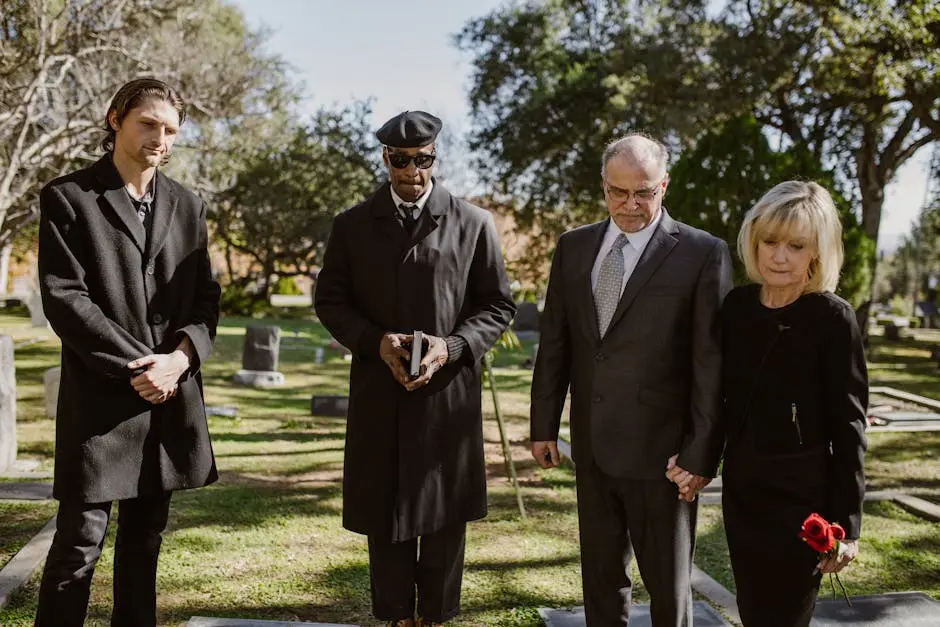
Understanding the Purpose of Memorial Services
Memorial services serve as a way for family and friends to honor the deceased. It’s important to understand the significance of these gatherings to engage with respect and empathy.
At its core, a memorial is a celebration of life, offering a chance for reflection, remembrance, and connection. Each gathering is unique, tailored to reflect the personality and values of the person who has passed. These ceremonies foster community support, allowing attendees to share their grief and comfort one another during this challenging time.
Furthermore, memorial services create a space for storytelling. Friends and family can reminisce and reflect on cherished memories. In Pueblo, the stories we tell hold special importance, as they weave the communal fabric of our relationships. Participating actively by sharing kind thoughts and memories can help to guide those healing from the loss.
What to Wear: Dress Code Considerations
Choosing the right attire for a memorial is essential. Typically, subdued colors and formal attire are appropriate, but knowing the family’s wishes can guide your choice.
While it’s common to lean towards black or dark colors, don’t be afraid to wear softer shades as well. The most important thing is to demonstrate your respect through your clothing choices. For instance, specific cultural or familial traditions may encourage wearing the deceased’s favorite colors or styles, reflecting their life and personality.
Ultimately, feel free to clarify the dress code if unsure—this simple act can show your care and willingness to honor the family’s traditions. Remember that your comfort is also crucial; wear something that allows you to participate fully, both emotionally and socially. This balance can help you concentrate on providing support.
Arriving and Signing the Guest Book
Upon arrival, it’s courteous to introduce yourself, especially if the family doesn’t know you well. Signing the guest book is a meaningful gesture that offers the family a way to remember who attended.
Take a moment to pause before you enter, reflecting on the purpose of your presence. This intentional approach helps you engage thoughtfully throughout the service. As you move through the venue, extend greetings to those you recognize, as well as to those you don’t, creating a sense of community.
While signing the guest book, consider adding a brief note or a personal memory, if you feel comfortable. This small gesture won’t go unnoticed by the family, offering them comfort as they navigate their grief. In tight-knit towns like Pueblo, each signature is a reminder of the support surrounding them.
Expressing Condolences: What to Say and Do
Finding the right words to comfort the grieving can be tough. Simple expressions of sympathy, like ‘I’m so sorry for your loss,’ often resonate. It’s essential to be genuine and support them through listening.
Instead of focusing on finding profound statements, consider expressing your presence with sincerity. Phrases such as ‘I’m here for you’ can have lasting impacts. Many grieving individuals appreciate those who acknowledge their pain rather than attempting to diminish it. Active listening is also beautifully validating—sometimes, simply being a confidant can provide immense comfort.
Moreover, if you have stories to share about the deceased, do so thoughtfully. But always gauge the atmosphere first; it’s best to follow the lead of the family. Some may welcome happy memories, while others may prefer silent companionship as they grieve. Ultimately, tailoring your support to their needs will be most appreciated.
Bringing or Sending Sympathy Gifts
Gift-giving can be a kind gesture. Flowers, food, or personalized mementos are often appreciated. Alternatively, thoughtful messages can be conveyed through cards or letters.
When considering what to bring, think about the family’s preferences. Home-cooked meals can alleviate some stress during difficult times. If flowers are customary, select arrangements that fit their tastes. For something more personalized, a memory jar containing notes from attendees could serve as a heartwarming tribute.
In some cases, donations to a charity meaningful to the deceased might be a preferred option. When choosing a sympathy gift, aim for authenticity and consideration. Ultimately, your offering should reflect your care and desire to help them feel supported, allowing the grieving process to feel slightly less overwhelming.
Navigating the Reception: Food and Social Etiquette
If there is a reception after the service, understanding the social dynamics is key. It’s a time for sharing memories, so mingling and allowing for personal conversations is encouraged.
Food may often act as a comfort during these gatherings, providing guests with nourishment and an opportunity to connect. When participating in buffet style, it’s polite to serve others first if the family is present. Engaging in discussions can provide a great way to stay connected; sharing laughter and memories warms the atmosphere while focusing on honoring the deceased.
Approach conversations with sensitivity and empathy. Ask open-ended questions to allow other attendees to share their feelings or memories. Offering support to someone else who might be struggling, or inviting them into the conversation, can help create a sense of solidarity during these poignant gatherings.
When to Follow Up After the Memorial
The weeks following a memorial can be particularly challenging for bereaved families. Sending a note, making a call, or checking in can be incredibly supportive during their healing process.
Following up after the service is a crucial step in extending your care. It’s an opportunity to let them know you’re thinking of them, and it provides another avenue for them to express their feelings. A simple message can remind them that they’re not alone, and that support continues well beyond the day of the memorial.
Each message can also serve as a reflection of shared moments or experiences with the deceased. Reminiscing about happy times can uplift a grieving heart. In Pueblo’s close-knit community, these post-event gestures resonate deeply; they remind families that love endures long after the gatherings fade.
Final Thoughts on Supporting Grieving Families
Remember, attending a memorial is not just about following etiquette, but about offering your support and love to those grieving. Being empathetic and respectful can create a space of comfort during a challenging time. Take these tips to heart as you honor the lives and memories of those we have lost.